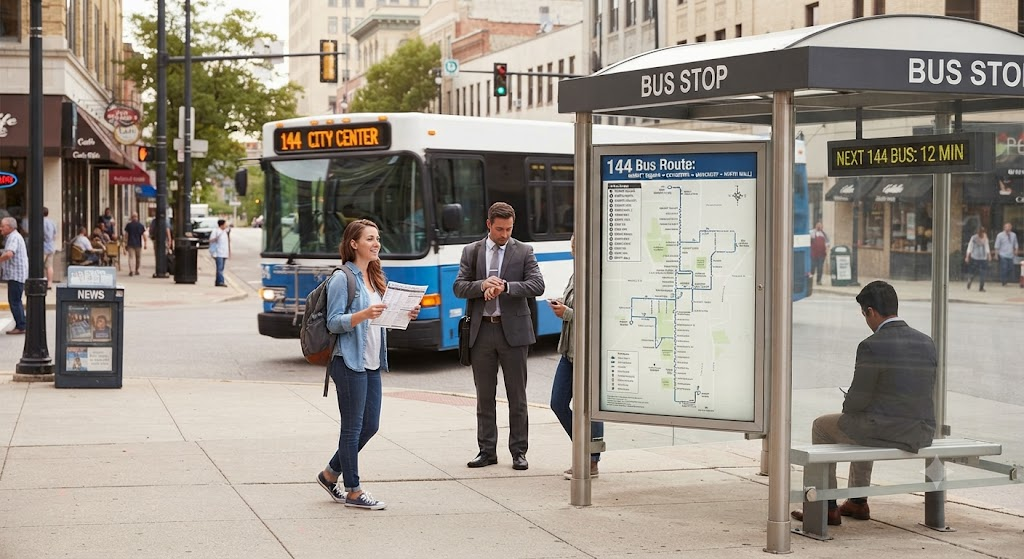
Public transit is the heartbeat of a busy city. If you are looking to navigate your town, knowing the 144 Bus Route is a great place to start. Whether you are heading to work, school, or just out to run errands, this bus offers a reliable way to get around. Learning how to read a bus schedule and understand your route map can turn a stressful trip into a smooth ride. In this guide, we will break down everything you need to know about using this transit service with confidence.
Understanding the 144 Bus Route Basics
The 144 bus route is designed to connect key areas of the city. By following a specific path, it helps thousands of riders reach their destinations every day. Understanding the basics of the route—like where it starts and ends—is the first step to becoming a transit pro. Most city buses run on a fixed schedule, which makes it easy to plan your day around their arrival times.
How to Find Your 144 Bus Route Map
Before you head out, you should always check the official 144 bus route map. These maps show every stop along the way, including major landmarks and transfer points. You can usually find these maps on your local transit agency’s website or via a mobile app. Having the map saved on your phone is a smart move for any rider. It allows you to track your progress and see exactly when your stop is coming up next.
Reading the 144 Bus Route Timetable
If you have ever been confused by a bus schedule, you are not alone! The 144 bus route timetable lists “timepoints,” which are major stops where the bus is scheduled to be at a specific time. If your stop is not listed, just look for the timepoint before it. You can estimate that the bus will reach your location shortly after that time. Always try to arrive at your stop at least five minutes early.
The Importance of Major Transit Hubs
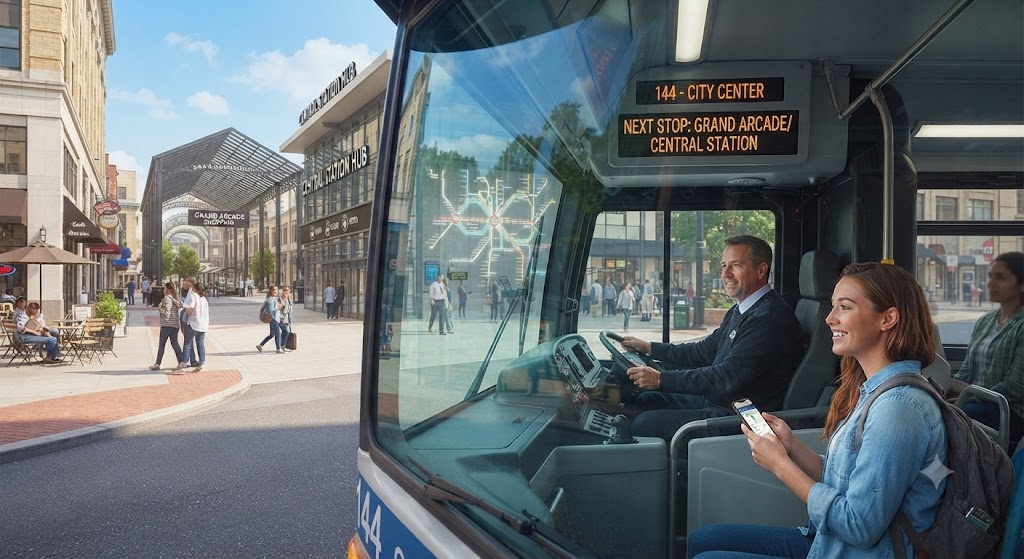
Many riders use the 144 bus route to reach major transit hubs, such as train stations or central shopping districts. These hubs are perfect for transfers. If you need to switch to another bus or a train, look for these key connection points on your map. Coordinating your trip in advance can save you time and make your morning commute much easier and more relaxed.

Tips for a Smooth Bus Experience
Taking the bus should be a pleasant experience. When riding the 144 bus route, it is helpful to have your fare ready before you board. Whether you use a pass or exact change, being prepared keeps the line moving. Also, try to stay aware of your surroundings and listen for the bus driver’s announcements. These simple habits make the entire transit process better for you and everyone else on the bus.
Navigating Peak Travel Times
Like many transit lines, the 144 bus route can get very busy during “rush hour.” If you have the flexibility to travel outside of these peak times, you might enjoy a quieter and less crowded ride. If you must travel during busy hours, try to stay patient. The transit system works hard to keep buses running on time, even when traffic is heavy on the road.
Safety First: Riding the Bus
Safety is the most important part of your journey. On the 144 bus route, always hold onto the handrails if you are standing. If you are waiting at a bus stop, stand well back from the curb until the bus has come to a complete stop. These small safety steps ensure that you reach your destination without any issues. Following these rules helps keep public transportation safe for all of us.
Using Technology for Real-Time Updates
Did you know that many apps offer real-time tracking for the 144 bus route? This technology is a game-changer for riders. Instead of wondering if you missed your bus, you can check your phone to see exactly where it is. Some apps even send alerts if there are delays or changes to the schedule. Using these tools gives you more control over your travel plans.
Accessibility and Inclusive Transit
Public transit should be available to everyone in the community. The 144 bus route is typically equipped to help passengers with different needs, including those using strollers or wheelchairs. If you require special assistance, it is always a good idea to check your local transit agency’s website for specific policies. They want to ensure that every rider has a positive and accessible experience while traveling.
Connecting with Local Communities
The 144 bus route does more than just move people; it connects neighborhoods. By traveling through different parts of the city, this route brings people together to work, shop, and socialize. Riding the bus is also a sustainable way to travel. It reduces the number of cars on the road, which helps our city’s environment. Choosing the bus is a small way to make a big difference.
Planning Your Next Trip
Now that you are familiar with the 144 bus route, you are ready to explore your city with confidence. Whether you are using the bus for your daily commute or a fun weekend trip, remember to check your schedule and stay prepared. Public transit is a wonderful resource that makes city life more convenient. So, pack your bag, grab your pass, and enjoy the ride on the 144 bus route!
Frequently Asked Questions
1. Where can I find the most accurate schedule for the 144 bus route?
The best place to find the schedule is the official website of your local transit agency. They provide the most up-to-date arrival and departure times.
2. How early should I arrive at the bus stop?
It is a good rule to arrive at your stop at least five minutes before the scheduled pickup time to ensure you don’t miss the bus.
3. Does the 144 bus route run on weekends?
Most transit systems have different schedules for weekends. Always check the weekend or holiday timetable on your transit app or the agency’s website.
4. Can I use a mobile app to track my bus?
Yes! Many cities now have apps that offer real-time tracking for the 144 bus route, showing you exactly when the next bus will arrive.
5. What should I do if I forget something on the bus?
Contact your local transit agency’s “Lost and Found” department as soon as possible. Providing the date, time, and your boarding location will help them assist you.
6. Is the 144 bus route accessible for wheelchairs and strollers?
Most modern city buses are equipped with ramps or low floors to assist passengers. Check your local agency’s website for specific features on this route.
Conclusion
The 144 bus route is a vital link in your city’s transit network, offering a dependable way to get where you need to go. By using the tools and tips we covered, you can easily master your commute and save time every single day. Remember, the key to a stress-free experience is staying prepared, checking for real-time updates, and knowing your route map ahead of time. Next time you head out, think of the bus not just as a ride, but as a smart, sustainable way to connect with your community. We hope this guide helps you feel more confident on your travels. If you found these tips helpful, why not share this guide with a friend who uses the 144 bus route? Happy travels!
Leave a Reply