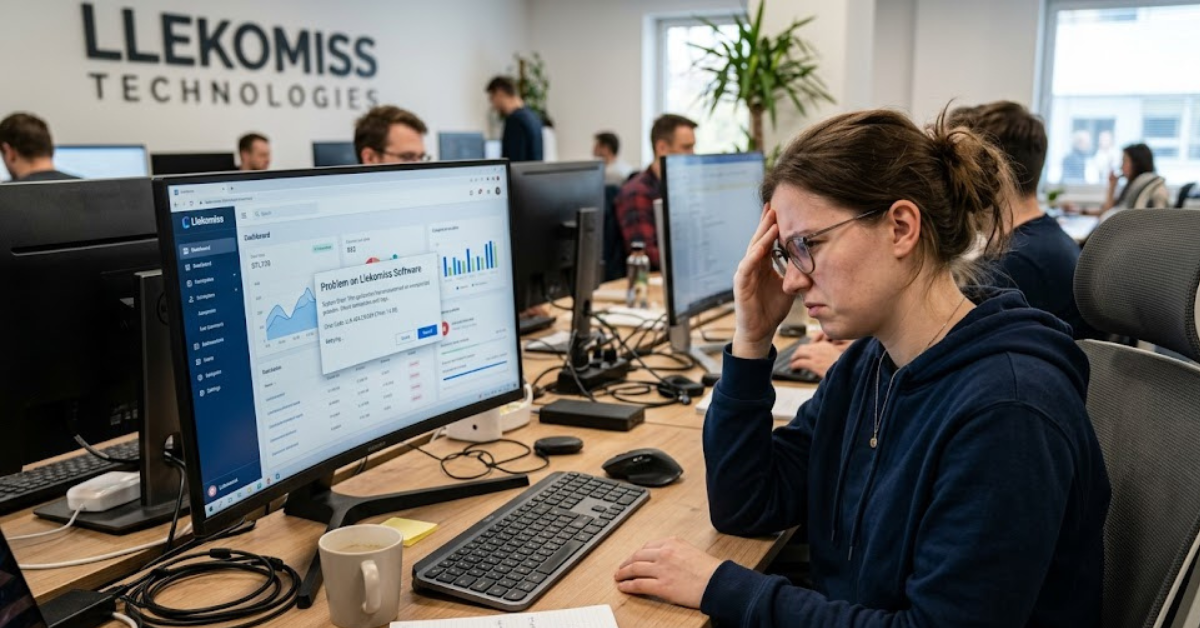
Software problems can be frustrating, especially when they interrupt important projects or prevent applications from functioning properly. If you’ve recently encountered a problem on Llekomiss software, you’re not alone. Many users search for solutions when they experience software crashes, execution failures, configuration errors, or coding issues related to the platform.
Whether you’re struggling with Llekomiss run code, debugging a Python Llekomiss code issue, or simply trying to understand why the software isn’t behaving as expected, this guide will help you identify the most common causes and apply practical fixes.
What Is Llekomiss Software?
Although publicly available information about Llekomiss software is limited, it is often referenced in technical discussions involving software execution, coding environments, and development workflows.
Like many specialized software platforms, Llekomiss may include features such as:
- Code execution environments
- Application management tools
- Data processing functions
- Development utilities
- Software automation capabilities
Understanding the software’s intended purpose is the first step toward effective troubleshooting.
Understanding the Problem on Llekomiss Software
A problem on Llekomiss software can appear in many different forms. Some users encounter startup failures, while others experience code execution errors or performance issues.
Common symptoms include:
- Software refusing to launch
- Unexpected crashes
- Slow performance
- Error messages during execution
- Failed updates
- Missing features
- Connectivity issues
Identifying the exact symptom can significantly reduce troubleshooting time.
Common Causes of Llekomiss Software Problems
Installation Errors
Many software issues begin during installation.
Common causes include:
- Corrupted setup files
- Incomplete downloads
- Interrupted installation processes
- Missing administrative permissions
A clean reinstall often resolves these problems.
Configuration Issues
Improper configuration settings can prevent the software from functioning correctly.
Examples include:
- Incorrect file paths
- Invalid environment variables
- Database connection failures
- Network misconfigurations
Reviewing configuration files carefully can often uncover the root cause.
Compatibility Problems
Some software versions may not work correctly with certain operating systems or hardware configurations.
Potential compatibility issues include:
- Unsupported operating systems
- Outdated drivers
- Missing system libraries
- Framework incompatibilities
Always verify system requirements before installation.
Llekomiss Run Code Errors: Why They Happen
One of the most common user concerns involves Llekomiss run code failures.
Code execution issues typically occur when:
- Dependencies are missing
- Scripts contain syntax errors
- Runtime environments are incorrectly configured
- Required packages are unavailable
Even a small error can stop code from running successfully.
Signs of Code Execution Problems
You may notice:
- Programs failing to start
- Unexpected output
- Runtime exceptions
- Incomplete processing
When these symptoms occur, reviewing execution logs becomes essential.
Python Llekomiss Code Issue: Common Troubleshooting Steps
Developers frequently encounter a Python Llekomiss code issue while working within coding environments.
Python-related errors generally fall into several categories.
Module Import Errors
These occur when required libraries cannot be located.
Typical causes include:
- Missing installations
- Incorrect virtual environments
- Package version conflicts
Syntax Errors
Python is highly sensitive to syntax.
Common mistakes include:
- Missing colons
- Incorrect indentation
- Unclosed strings
- Improper brackets
Dependency Conflicts
Dependency issues can emerge when multiple packages require different versions of the same library.
Using virtual environments helps reduce these conflicts.
How to Fix a Python Llekomiss Code Issue
If you’re facing a Python Llekomiss code issue, follow these troubleshooting steps.
1. Verify Python Installation
Ensure that Python is installed correctly and that the software supports your version.
Check:
- Python version
- Environment configuration
- Path settings
2. Update Dependencies
Outdated packages can cause unexpected behavior.
Recommended actions include:
- Updating libraries
- Reinstalling dependencies
- Removing obsolete packages
3. Review Error Logs
Error logs often contain detailed information about:
- Missing modules
- Runtime failures
- Permission problems
- Configuration issues
Logs are one of the most valuable troubleshooting resources available.
4. Test with Simple Code
Running basic scripts helps determine whether the issue lies within the software or the specific project code.
This approach isolates the source of the problem more effectively.
Best Practices for Running Python Llekomiss Code
Successfully executing Python Llekomiss code requires a stable environment.
Follow these best practices:
Use Virtual Environments
Virtual environments help:
- Manage dependencies
- Avoid package conflicts
- Improve project isolation
Keep Libraries Updated
Regular updates provide:
- Bug fixes
- Security patches
- Performance improvements
Organize Your Project Structure
A clear project structure makes debugging easier and improves maintainability.
Recommended organization includes:
- Separate configuration files
- Dedicated source folders
- Structured dependency management
Advanced Troubleshooting for Llekomiss Software
If basic troubleshooting doesn’t solve the issue, consider deeper analysis.
Monitor System Resources
Check:
- CPU usage
- Memory consumption
- Storage availability
- Network activity
Resource shortages can negatively affect software performance.
Disable Conflicting Applications
Other software may interfere with Llekomiss operations.
Potential conflicts include:
- Antivirus programs
- Firewalls
- Monitoring tools
- Background services
Temporarily disabling non-essential software can help identify conflicts.
Reinstall the Application
A clean installation can fix:
- Corrupted files
- Missing components
- Faulty updates
Be sure to back up important data before reinstalling.
Preventing Future Llekomiss Software Problems
Proactive maintenance reduces the likelihood of recurring issues.
Keep Software Updated
Software updates often include:
- Stability improvements
- Security enhancements
- Bug fixes
Maintain Backups
Regular backups help protect against:
- Data loss
- Configuration corruption
- Unexpected failures
Follow Official Documentation
Documentation typically provides:
- Installation instructions
- Configuration guidance
- Troubleshooting recommendations
Using official resources minimizes setup mistakes.
When to Seek Technical Support
Some problems require professional assistance.
Consider contacting support if:
- Errors persist after reinstallation
- Critical features stop working
- Data becomes corrupted
- Security issues emerge
Providing detailed logs and screenshots can accelerate the support process.
Frequently Asked Questions
What causes a problem on Llekomiss software?
Common causes include installation errors, configuration issues, compatibility problems, dependency conflicts, and software bugs.
Why does Llekomiss run code fail?
Code execution may fail because of syntax errors, missing dependencies, incorrect configurations, or runtime environment problems.
How can I fix a Python Llekomiss code issue?
Verify your Python installation, update dependencies, review error logs, and test code in a clean environment.
Is Llekomiss software compatible with all operating systems?
Compatibility depends on the software version and system requirements. Always check official documentation before installation.
Can reinstalling Llekomiss software solve problems?
Yes. Reinstalling often resolves issues caused by corrupted files, incomplete installations, or failed updates.
How do I prevent future Llekomiss software issues?
Regular updates, proper configuration management, dependency monitoring, and routine backups can significantly reduce software problems.
Conclusion
Encountering a problem on Llekomiss software can be frustrating, but most issues can be resolved through systematic troubleshooting. Whether you’re dealing with Llekomiss run code failures, debugging Python Llekomiss code, or investigating a complex Python Llekomiss code issue, understanding the underlying cause is crucial.
By reviewing error logs, verifying configurations, maintaining updated dependencies, and following best practices, you can improve software stability and reduce downtime. Taking a proactive approach to software maintenance will not only solve current issues but also help prevent future problems, ensuring a smoother and more reliable development experience.
Leave a Reply