
Spending time outdoors is wonderful, but sometimes the sun can be a little too harsh on your skin. Have you ever noticed tiny, itchy bumps appearing after a long day at the park? That is likely a Sun Rash. It can be uncomfortable, but the good news is that it is usually easy to manage at home. Many people get this reaction when their skin is not quite ready for intense sunlight. By understanding what is happening, you can feel better quickly and get back to enjoying the sunshine safely. Let’s look at how to calm your skin and prevent those annoying bumps from coming back.
What Exactly Is a Sun Rash?
A sun rash, often called polymorphic light eruption, is a reaction to sunlight. When your skin gets too much UV exposure, your immune system might react by creating red patches, blisters, or small bumps. It usually shows up on areas that were covered during winter but are now exposed to the spring or summer sun. It is not an allergy in the traditional sense, but your skin is definitely telling you it needs a break. While it looks concerning, it is very common and usually clears up on its own once you get out of the light.
Common Signs and Symptoms
How do you know if you have a sun rash? Look for patches of skin that look red, bumpy, or slightly swollen. These areas are often very itchy or might even feel like they are burning. You might see small, raised dots that look like a heat rash. Sometimes, the skin can even crust over or look scaly. These symptoms usually start a few hours or even a day after you were outside in the sun. Because they are itchy, it is very important to try your best not to scratch them, as that can make the irritation much worse.
Why Does Sun Rash Happen?
The main reason for a sun rash is a sudden change in how much sun your skin is getting. If you spend most of your time inside and then go out for a long hike on a very bright day, your body might not know how to handle the extra UV radiation. Some people are just naturally more sensitive to light than others. Also, certain medications or lotions can make your skin react more strongly when the sun hits it. It is your body’s way of saying it needs to get used to the bright rays a little more slowly.
Immediate Relief for Itchy Skin
When your skin feels like it is on fire, you want relief fast. First, get out of the sun immediately and go into a cool, shaded area. A cool compress is your best friend right now. Soak a soft cloth in cold water and gently press it against the sun rash. This helps bring down the swelling and calms the itch right away. Stay in a cool room and wear loose, soft clothing. If you have to go outside, make sure to cover up with a hat or a long-sleeved shirt until your skin feels calm again.
Using Moisturizers to Heal
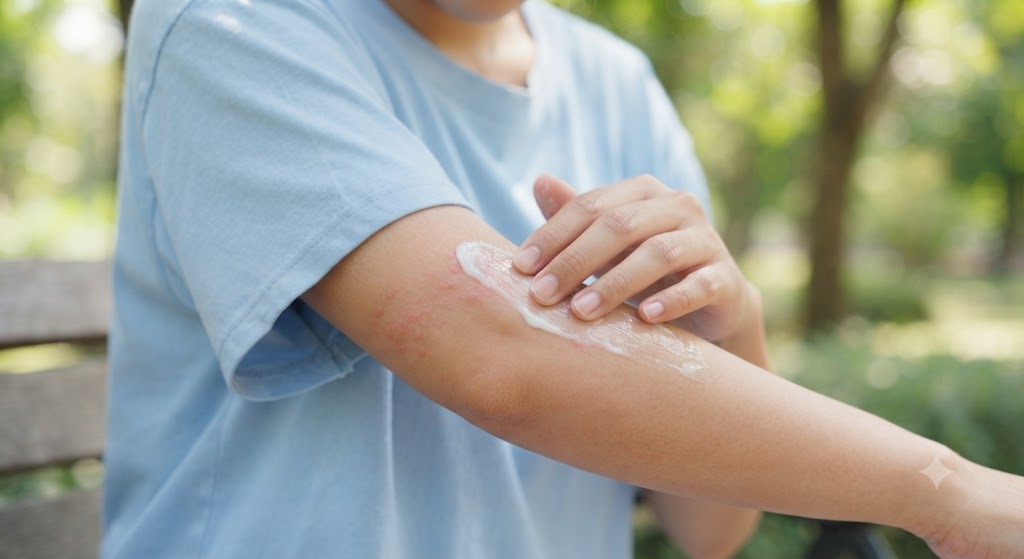
After cooling your skin, you need to keep it hydrated. A gentle, fragrance-free lotion is perfect for this. Look for creams that contain aloe vera or calamine, as these are very soothing for a sun rash. Avoid heavy oils or thick creams that might trap heat against your skin. Instead, choose light, water-based lotions that let your skin breathe. If you keep the area moist, it will heal faster and feel much less tight or painful. Remember to apply your lotion gently; do not rub it in, as that can irritate those sensitive, bumpy spots.
When to See a Doctor
Most of the time, a sun rash goes away on its own in a few days. However, there are times when you should call a doctor. If the rash spreads all over your body, looks infected, or is accompanied by a high fever, it is time for professional help. If you feel very dizzy or have a bad headache after being in the sun, you might be dealing with something more serious than just a rash. Never ignore signs that feel like they are getting worse, especially if the pain becomes too much to handle at home.
Protecting Your Skin for the Future
The best way to handle a sun rash is to stop it before it starts. The next time you plan a big day outside, try to build up your sun exposure slowly. Spend just a little time in the sun each day to help your skin adapt. Always use a broad-spectrum sunscreen with high protection, and reapply it every two hours. Wearing a wide-brimmed hat or lightweight, UV-blocking clothing is also a very smart move. Your skin will thank you for being careful, and you will stay comfortable while having fun in the great outdoors.
Natural Ways to Soothe the Burn
If you prefer natural remedies, a cool oatmeal bath can work wonders. Simply add finely ground oats to a tub of cool water and soak for about fifteen minutes. The oats have special properties that help take the “bite” out of an itchy sun rash. Cucumber slices placed directly on the skin can also offer a quick, cooling sensation. These natural steps are great to use along with staying in the shade. Just be sure not to use any harsh soaps or scented products, as these can make the irritation feel much worse than it needs to.
Common Myths About Sun Sensitivity
There is a lot of talk about skin health, and some of it is just not true. One big myth is that if it is cloudy, you do not need to worry about a sun rash. Actually, UV rays can pass right through thin clouds, so you can still get a reaction even on a gray day. Another myth is that a sun rash is contagious. You cannot catch this from someone else! It is just a personal reaction your body is having. Knowing the facts helps you take better care of your skin without worrying about things that aren’t actually true.
Simple Tips for Comfortable Outdoors
You do not have to hide inside to avoid a sun rash. Just be smart about your timing. The sun is strongest between 10 a.m. and 4 p.m. If you plan your activities for the early morning or late afternoon, the rays are much gentler on your skin. If you are going to be out during the peak hours, look for natural shade under trees or bring a large umbrella. Staying hydrated by drinking plenty of water also helps your skin stay healthy from the inside out. Enjoy your time outside, but keep these simple steps in mind.

| Remedy Type | How It Helps | Best For… |
| Cool Compress | Reduces swelling | Immediate itch relief |
| Aloe Vera | Calms inflammation | Soothing red bumps |
| Calamine Lotion | Stops the itch | Drying out small blisters |
| Oatmeal Bath | Soothes skin | Full-body irritation |
Frequently Asked Questions
Is a sun rash the same as a sunburn?
No, a sunburn is skin damage from too much UV, while a sun rash is an immune reaction to sunlight.
How long does a sun rash usually last?
It typically lasts for a few days to a week if you stay out of the sun.
Can I use ice on my rash?
Do not use ice directly on the skin, as it can be too harsh. Use a cool, damp cloth instead.
Should I pop the blisters?
Never pop blisters! Doing so can lead to infection and make the healing process take much longer.
Does sunscreen help prevent a sun rash?
Yes, using a broad-spectrum sunscreen is one of the best ways to protect your skin from reacting.
Will my sun rash scar?
Most of the time, it heals without leaving any marks, provided you do not scratch or pick at it.
Conclusion
Taking care of your skin is a lifelong journey, and learning how to manage a sun rash is a big part of that. Now that you know how to identify it and treat it gently, you can be much more confident when heading outside. Remember, your skin is your body’s shield, so treat it with kindness. Have you found any other tricks that help you stay comfortable in the sun? I would love to hear your thoughts or stories in the comments below! Stay safe, keep your skin hydrated, and enjoy the beautiful sunshine responsibly.
Leave a Reply